Puja & Anusthan
We offer structured Puja, Jaap, and Anusthan services rooted in Vedic Shastra and disciplined spiritual practice. These rituals are not performed mechanically or out of fear; they are recommended only after careful assessment through Vastu, astrology, or energy analysis.
Each anusthan is undertaken with clarity of intention, proper recitation discipline, and adherence to traditional procedures, ensuring that the remedy aligns with the specific imbalance identified.
The Role of Puja & Anusthan
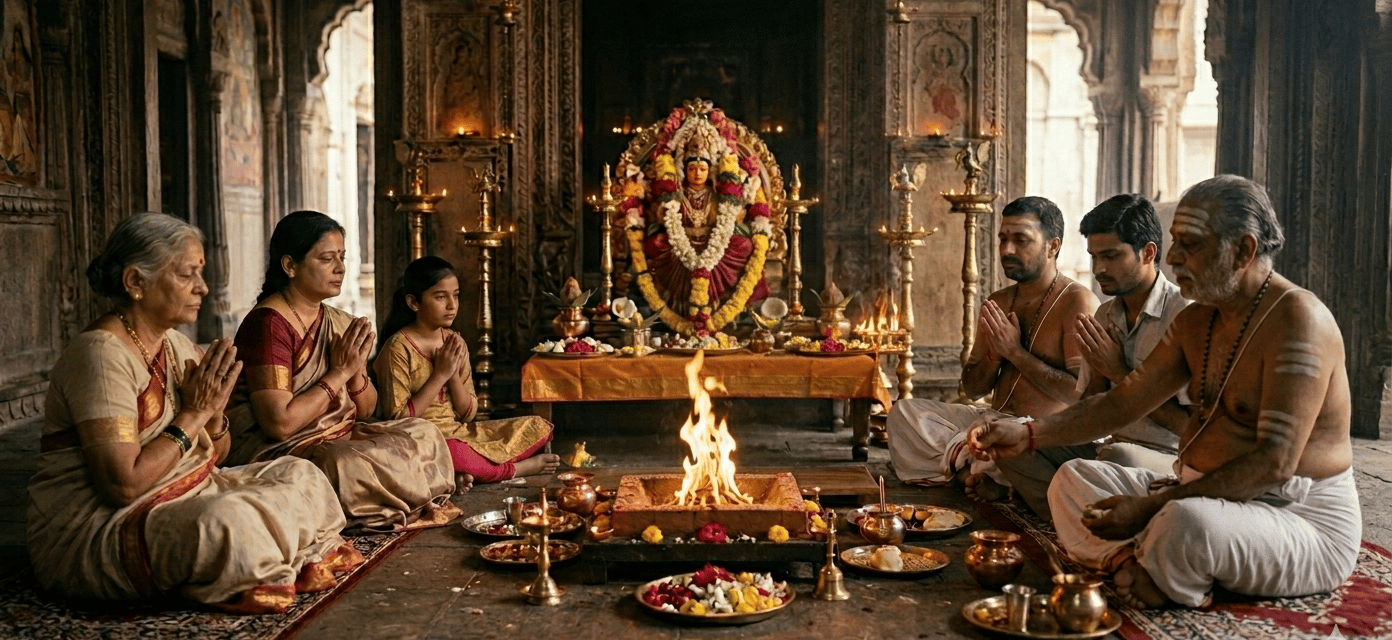
Puja and Anusthan are spiritual corrective practices designed to restore harmony when planetary influences, Vastu disturbances, or karmic imbalances create persistent obstacles. These rituals are meant to strengthen positive influences, neutralise disturbances, and support alignment at both energetic and spiritual levels.
They are approached as complementary measures — not substitutes for practical action, but supportive practices that reinforce correction and clarity.
What is Anusthan?
“Anusthan” is a sacred Sanskrit term that signifies a disciplined and structured spiritual practice performed with clarity of intention and adherence to Vedic principles. It is not merely a ritual, but a systematic and time-bound process carried out under strict scriptural guidelines. Anusthan involves mantra recitation (japa), havan, tarpan, deity invocation, and other Vedic procedures performed with devotion, focus, and purpose.
The essence of an Anusthan lies in its discipline and continuity. Unlike general prayers, it follows specific counts of mantra chanting, prescribed materials, and carefully observed conduct. The practice is undertaken for defined objectives such as planetary pacification, removal of obstacles, health support, protection, prosperity, and spiritual growth.
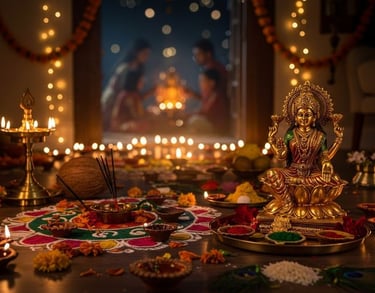
The Role of the Acharya
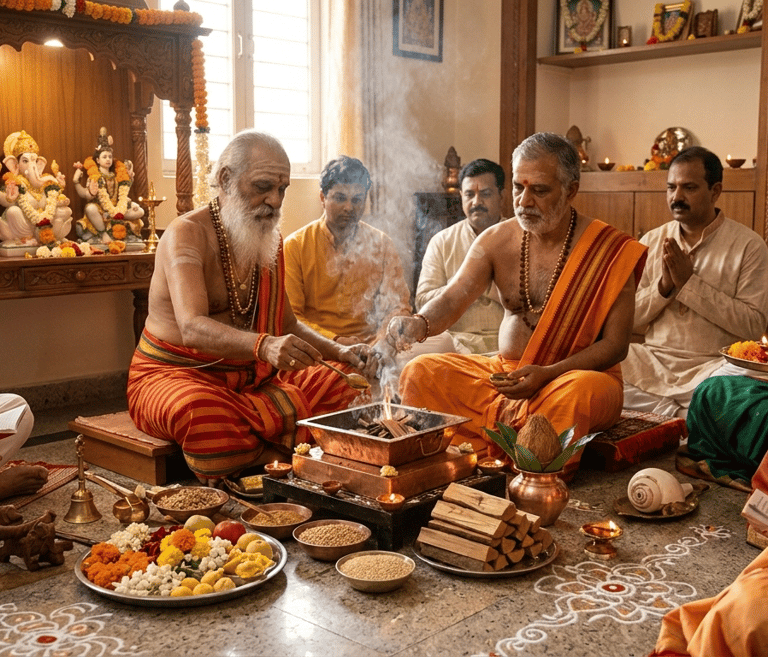
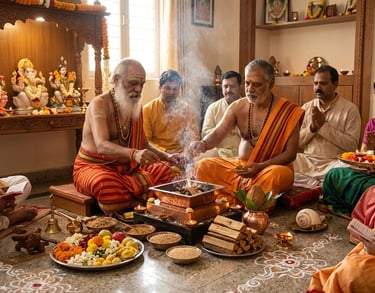
Anusthan is traditionally performed not by the seeker (Yajman) alone, but under the guidance of qualified and experienced Vedic Acharyas. These practitioners are trained in mantra precision, ritual procedure, and disciplined observance. Every step — whether offering oblations, chanting mantras, or conducting havan — is performed with accuracy and mindfulness.
The Acharya acts as a spiritual medium who channels the sankalp (intention) of the individual through sacred procedure. This structured transmission ensures that the practice remains aligned with Vedic principles rather than becoming a mechanical ritual.
The Purpose of Anusthan in Modern Life
In contemporary times, when life is often marked by stress, uncertainty, and imbalance, Anusthan serves as a disciplined spiritual remedy. It is intended to restore alignment not only at a spiritual level but also within mental and material aspects of life.
Anusthan should not be viewed as a miraculous shortcut, but as a structured Vedic process undertaken with sincerity and correct guidance. When performed with proper intention, discipline, and adherence to scriptural method, it supports harmony, clarity, and strengthened resilience in facing life’s challenges.
The Process of Anusthan
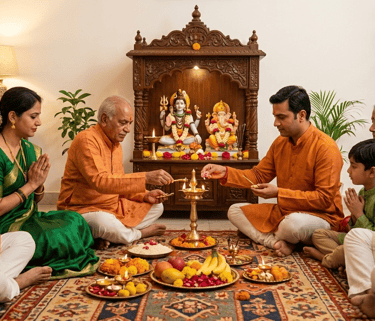
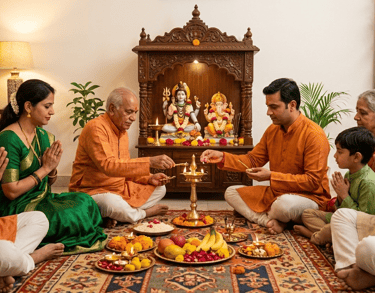
A scripturally grounded Anusthan is conducted through a sequence of sacred stages, each performed with precision and adherence to Vedic procedure. Every step holds spiritual significance and symbolically connects the seeker’s intention with higher cosmic principles. The process is structured, time-bound, and guided by trained Acharyas to ensure correctness and continuity.
Sankalp (Resolution)
The Anusthan begins with Sankalp — a formal spiritual resolution taken on behalf of the Yajman (seeker). This vow clearly states the purpose and intention of the ritual in accordance with Vedic tradition. Sankalp establishes focus and forms the spiritual foundation of the entire process.
Deity Invocation
A sacred image, idol, or yantra representing the invoked deity, planetary force, or divine principle is respectfully installed. Through mantra recitation, the Acharyas invoke the presence of the divine energy to preside over the ritual.
Mantra Chanting (Japa)
A prescribed number of Vedic or Tantric mantras are chanted with discipline and purity. This chanting is performed with proper pronunciation, focus, and adherence to traditional counts. The repetition strengthens the intention of the Sankalp and aligns the practice with divine principles.
Havan or Agnihotra
Offerings are made into the sacred fire using specific materials while mantras are recited. The fire ritual represents transformation, as the Sankalp and offerings are symbolically conveyed through Agni (fire) to the cosmic realm.
Tarpan (Offerings to Ancestors)
In certain Anusthans, Tarpan is performed to honor and satisfy ancestral influences. Acts of charity and offerings may also be included, completing the ritual with gratitude and responsibility.
Visarjan (Conclusion)
At the completion of the Anusthan, the invoked divine energy is respectfully offered gratitude and farewell. The Acharyas conclude the ritual with blessings, bringing the process to a disciplined and sacred closure.
Major Benefits of Anusthan Performed by Qualified Acharyas
When Anusthan is conducted under the guidance of trained and scripturally knowledgeable Acharyas, it follows precise Vedic methods and disciplined observance. The following are traditionally recognised benefits associated with such practices:
Planetary Balance and Affliction Relief
Vedic scriptures describe how imbalanced planetary influences may manifest as obstacles, stress, or recurring challenges. Structured Anusthans performed with appropriate mantras are believed to support planetary pacification and restore energetic balance.
Mental and Spiritual Purification
Mantra recitation, when performed with discipline and correct pronunciation, is said to purify the mind and refine inner awareness. Through guided Anusthan, the intention (Sankalp) is strengthened and aligned with higher principles.
Support During Health Challenges
Certain Anusthans, such as Mahamrityunjaya Jaap, are traditionally associated with prayers for strength, protection, and resilience during difficult health phases. These practices are undertaken as spiritual support alongside practical efforts.
Fulfilment of Intentions (Sankalp Siddhi)
When a clearly defined intention is expressed through disciplined mantra practice and ritual observance, it symbolically connects personal effort with cosmic order. This alignment is described in various Smritis and Puranic texts.
Family Harmony and Prosperity
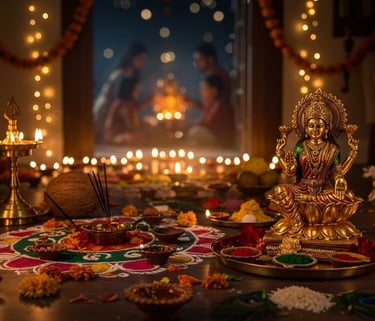
Anusthans such as Shri Suktam, Kanakadhara Stotram, and other Lakshmi-oriented practices are traditionally performed for stability, abundance, and harmonious household energy.
Protection from Adversities
Specific Vedic recitations, including Durga Saptashati path and other structured Anusthans, are believed to strengthen resilience and provide spiritual fortification during challenging periods.
Ancestral Peace and Pitru Dosh Remedies
Rituals such as Tarpan and Pitru-related Anusthans are traditionally conducted to honor ancestors and address lineage-related karmic influences, fostering peace within the family system.
Environmental and Energetic Harmony
Vedic rituals are understood not only to benefit the Yajman but also to purify and energize the surrounding environment. The disciplined observance of sacred fire rituals and mantra chanting is believed to create a balanced and uplifting atmosphere.
When conducted with authentic Vedic mantras, appropriate materials, disciplined procedure, and sincere devotion, Anusthan becomes a structured spiritual process aimed at restoring clarity, balance, and purposeful direction in life.
Consultation Format
Shastra remedies are recommended only after structured consultation through Vastu or astrology assessment. Discussions are confidential, and each remedy is customised based on individual needs.
Shastra remedies, when performed with discipline and clarity, support alignment and restoration rather than fear or dependency.
Contact
Reach out for personalized guidance
Phone
namitarajastro@gmail.com
+91 9560404600
This website is crafted by Uttar Phalguni Studios
All information and guidance provided by Namita Raj are intended solely for the well-being and betterment of individuals seeking consultation. While every effort is made to offer responsible, structured, and thoughtful insight, Namita Raj does not assume liability for the interpretation, application, or misuse of information derived from consultations conducted through the website, telephone, email, personal interaction, or any other mode of communication.
Clients are encouraged to exercise personal judgment and responsibility when applying guidance received during consultations.
© 2025. Namita Raj - All rights reserved.